


For digital nomads setting up shop in Bali in 2026, an eSIM generally offers more flexibility and convenience than a traditional local SIM, especially for those planning to travel beyond a single island or across multiple countries, due to its instant activation and multi-country plan options.
The Bali Dream: What Connectivity Means for Digital Nomads
Bali. The name itself conjures images of rice paddies, vibrant sunsets, and the hum of scooters. For many, it's the quintessential digital nomad haven, a place where morning surf sessions precede a productive work day at a cafe in Seminyak or a co-working space in Berawa. But behind the Instagram-perfect shots of smoothie bowls and beachfront villas, there's a crucial truth: reliable internet isn't just a luxury, it's the lifeline of your livelihood.
I've spent years crisscrossing Asia, from the bustling streets of Shibuya, Tokyo, to the quiet lanes of Luang Prabang, Laos, and I can tell you, there's nothing quite like the panic of a looming deadline with a sputtering internet connection. I remember trying to upload a massive photo gallery from a tiny guesthouse in Pai, Thailand, only to find the Wi-Fi slower than dial-up. That's when you realise your mobile data isn't just for checking WhatsApp, it's your emergency backup, your portable office, your entire connection to the world.
In Bali, the demand for robust connectivity is particularly high, given the island's popularity with remote workers. Whether you're a designer rendering files, a writer submitting articles, or a developer pushing code, you need data that won't leave you stranded. The choice between an eSIM and a traditional local SIM isn't merely about price, it's about peace of mind, flexibility, and how seamlessly you can integrate your digital life with your Balinese adventure.
Local SIM Cards in Bali: The Traditional Route
For years, the local SIM was the undisputed champion for travelers. Arrive at Denpasar's Ngurah Rai Airport (DPS), find a Telkomsel or XL Axiata kiosk, hand over your passport, and within minutes, you're connected. It’s a tried-and-true method, and for many, it still holds appeal.
Indonesia has a few major players when it comes to mobile carriers. Telkomsel is generally considered the largest and offers the widest coverage, especially if you plan to venture beyond the main tourist areas like Uluwatu or Canggu, perhaps up to Munduk or even a quick trip to Lombok. XL Axiata and Indosat Ooredoo Hutchison are also strong contenders, often offering competitive data packages, particularly in denser urban areas.
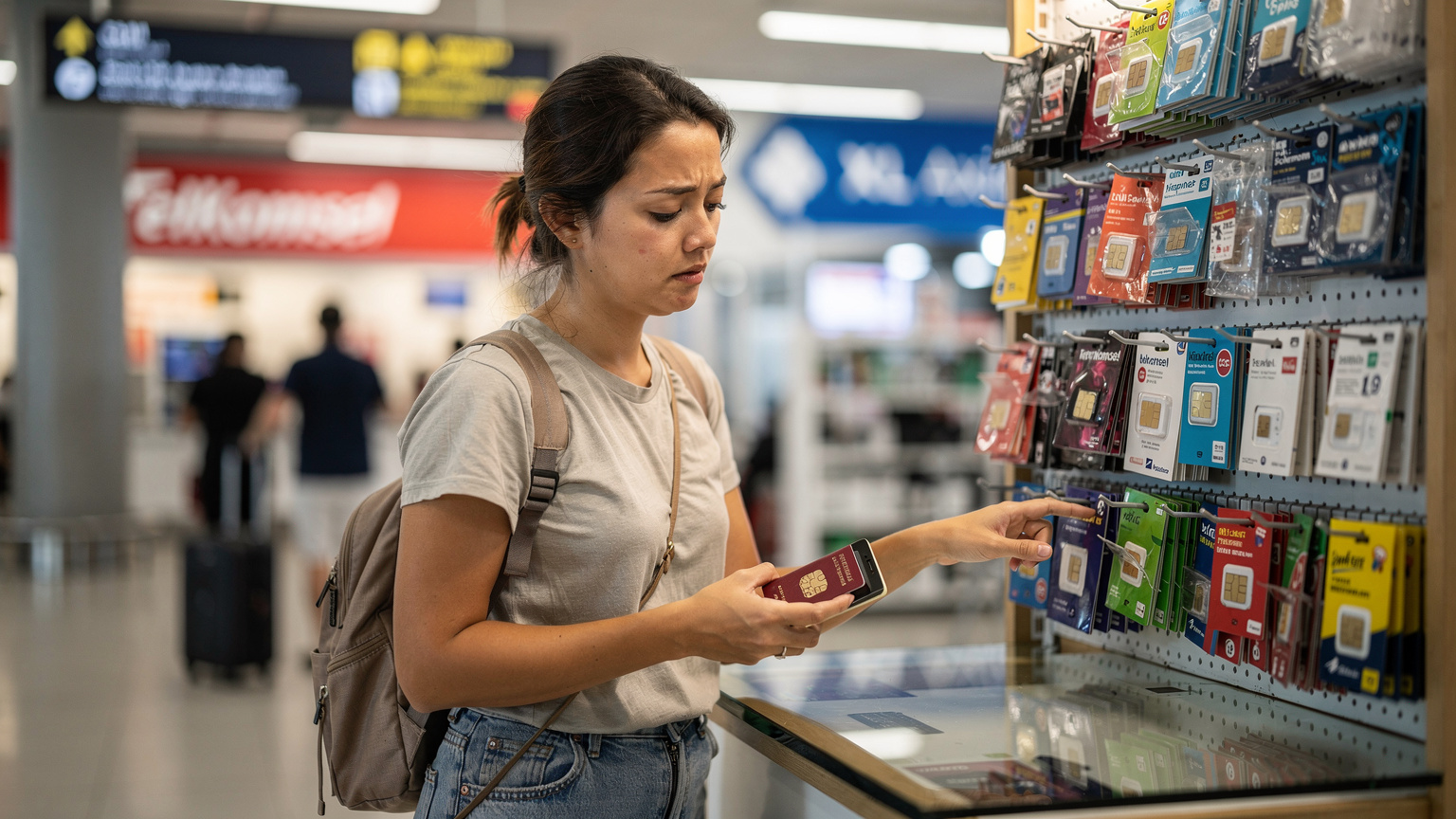
The process, however, isn't always as smooth as it sounds. My first time getting a local SIM in Jakarta, I spent a good 45 minutes trying to explain to the shop attendant that I just needed data, not a monthly plan with a local number for calls I'd never make. Language barriers, varying package options, and the mandatory registration process (which often involves a photo of your passport and sometimes even fingerprints) can make it a bit of a bureaucratic hurdle, especially after a long flight. Plus, the smaller kiosks in places like Kuta often have limited hours, usually closing by 9 PM, which can be an issue if your flight lands late.
| Carrier | Typical Coverage Area | Approx. Price for 30GB (30 days) | Ease of Purchase (Airport/Local) |
|---|---|---|---|
| Telkomsel | Excellent, widest across Bali and Indonesia | IDR 150,000 - 200,000 (~$10-13 USD) | Easy at airport, official stores, convenience stores |
| XL Axiata | Very good in tourist areas (Canggu, Ubud, Seminyak) | IDR 120,000 - 180,000 (~$8-12 USD) | Easy at airport, official stores |
| Indosat Ooredoo Hutchison | Good in major towns, slightly less rural coverage | IDR 100,000 - 160,000 (~$7-11 USD) | Available at official stores |
The Hassle of Physical SIM Cards
Beyond the initial purchase, physical SIM cards come with their own set of considerations. What if you lose it? What if your phone only has one SIM slot and you need to keep your home number active for banking verification or family calls? I once dropped my tiny SIM card trying to swap it on a crowded JR East train in Tokyo, and it vanished into the abyss under the seats. A quick trip to the Softbank store was needed, but it was a frustrating hour I didn't need to lose.
- Physical handling: Easy to lose, damage, or misplace tiny plastic cards.
- Single slot limitation: Many phones only support one physical SIM, meaning you'd have to remove your home SIM.
- Activation delays: Sometimes, activation can take longer than expected, leaving you without data when you need it most.
- Carrier lock-in: You're tied to one local provider and their specific coverage and pricing.
The eSIM Advantage for Bali Nomads
This is where eSIMs really shine for the modern digital nomad. An eSIM, or embedded SIM, is essentially a digital SIM card already built into your phone. Instead of swapping physical cards, you simply download a profile. It's a game-changer, especially for those of us who juggle multiple destinations or need to maintain connectivity with our primary number.
Imagine landing at DPS, clearing immigration, and by the time you're waiting for your grab driver in Jimbaran, your data is already active. No queuing, no paperwork, no fumbling with tiny trays and even tinier SIMs. It's a level of seamlessness that's hard to beat. I've used eSIMs from the bustling markets of Ho Chi Minh City to the remote fjords of Norway, and the convenience factor is consistently high. For those quick trips to Nusa Penida or a weekend in Yogyakarta, having instant data is invaluable.
Flexibility and Convenience
The primary draw of an eSIM is its flexibility. You can store multiple eSIM profiles on a single device and switch between them as needed. This means you can have your home plan active for calls and texts, and a dedicated data-only plan for Indonesia. No more missing important 2-factor authentication codes because your home SIM is tucked away in a plastic baggie.
For digital nomads in Bali, this means:
- Instant activation: Purchase and activate your data plan before you even leave home or while in transit.
- No physical swap: Keep your primary SIM in your phone, allowing you to receive calls and texts from home.
- Multi-plan support: Store several eSIM profiles, perfect if you're hopping between Indonesia and say, Europe for a quick business trip or Southeast Asian neighbours.
- Easy top-ups: Recharge your data plan online, often directly from the provider's app, without needing to find a physical store.
What About Device Compatibility?
Most newer smartphones, particularly those released in the last few years, are eSIM compatible. iPhones from the XS/XR onwards, Samsung Galaxy S20 series and newer, Google Pixel 3 and newer, and many other flagship Android devices support eSIMs. It's worth a quick check of your specific phone model before relying solely on an eSIM for your trip. For example, some models of iPhones sold in China do not have eSIM functionality, and certain regional Android variants might also differ.
Cost Comparison: eSIM vs. Local SIM for Long-Term Stays
When it comes to cost, the landscape has shifted considerably. While local SIMs historically offered the cheapest per-GB rates, eSIM providers have become increasingly competitive, especially for specific regions or multi-country plans.
For a long-term digital nomad stay in Bali, let's consider a typical 30-day period with moderate to heavy data usage, say 50GB. This is a common requirement for someone working remotely, regularly making video calls, and streaming content.
| Feature | Local SIM (e.g., Telkomsel) | eSIM (e.g., EastESIM Bali Plan) |
|---|---|---|
| Initial Purchase Cost | IDR 20,000 - 50,000 for SIM card + plan | Plan price only (no physical SIM cost) |
| Cost for 50GB (30 days) | IDR 200,000 - 300,000 (~$13-20 USD) | ~$15-25 USD (varies by provider/plan) |
| Activation Time | 15-45 minutes at a kiosk (plus travel time) | 2-5 minutes online |
| Portability | Limited to Indonesia | Often includes regional (Southeast Asia) or global options |
| Payment Method | Cash (IDR) or credit card at stores | Credit card online, usually in USD/EUR |
Hidden Costs and Value
While the nominal per-GB cost might sometimes be slightly higher for an eSIM, you need to factor in the hidden costs of a local SIM. The time spent at the airport kiosk, the potential for being overcharged at unofficial vendors, and the lack of connectivity during transit all add up. I've often found myself paying for overpriced airport Wi-Fi just to get basic messages out while waiting to sort out a local SIM, which negates any initial savings.
For those who value their time and convenience, an eSIM often represents better overall value. Furthermore, some eSIM plans offer multi-carrier support, automatically switching to the strongest signal available. This can be a lifesaver in areas with spotty coverage, providing lounge-grade reliability for business travelers even in less developed regions.
Speed and Reliability: What to Expect
Bali's internet infrastructure has come a long way, especially in popular digital nomad hubs. In areas like Canggu, Seminyak, Sanur, and Ubud, you can generally expect good 4G LTE speeds, and 5G is slowly rolling out in select spots.
- Telkomsel: Consistently delivers the best speeds and widest coverage. Expect 4G LTE speeds averaging 20-50 Mbps download, though it can spike higher in major areas. Their network is generally the most reliable for video calls and streaming.
- XL Axiata & Indosat: Provide good speeds in urban and popular tourist areas, often comparable to Telkomsel. However, once you venture into more remote villages or smaller islands, their coverage can become spottier.
An eSIM's performance is intrinsically tied to the underlying local network it uses. When you purchase an eSIM for Bali, it's essentially using the infrastructure of one or more local carriers (often Telkomsel or XL Axiata). So, the speeds you get with an eSIM will generally mirror the performance of those local networks.
Where Things Can Get Tricky
Even with strong network coverage, there are always dead zones. I've found that some parts of Uluwatu, particularly down near the beaches, can be a bit of a black hole for data, regardless of the carrier. Similarly, if you're exploring the more remote parts of East Bali, like Amed or Sidemen, don't expect blazing fast speeds. Your best bet in these areas is often to rely on Wi-Fi at your accommodation, or accept that your work might need to wait until you're back in a more connected zone.
"I always download my essential work files and maps offline before heading to areas with known spotty service. It's a habit I picked up after a particularly stressful incident trying to find my way through rural Hokkaido with no signal, despite having a local SIM."
Multi-Country Hopping and eSIMs
This is arguably the single biggest differentiator for digital nomads with wanderlust. Bali is fantastic, but many nomads use it as a base for exploring the wider Southeast Asian region. A quick flight to Singapore for a visa run, a week in Kuala Lumpur, or a dive trip to the Philippines is not uncommon.
With a local Indonesian SIM, you'd have to repeat the process of buying a new SIM in each country, or face exorbitant roaming charges. This is a huge pain point. I remember one trip to Vietnam, Cambodia, and Thailand, where I bought a new SIM in each airport, accumulating a small collection of useless plastic cards and spending precious travel time on activation.
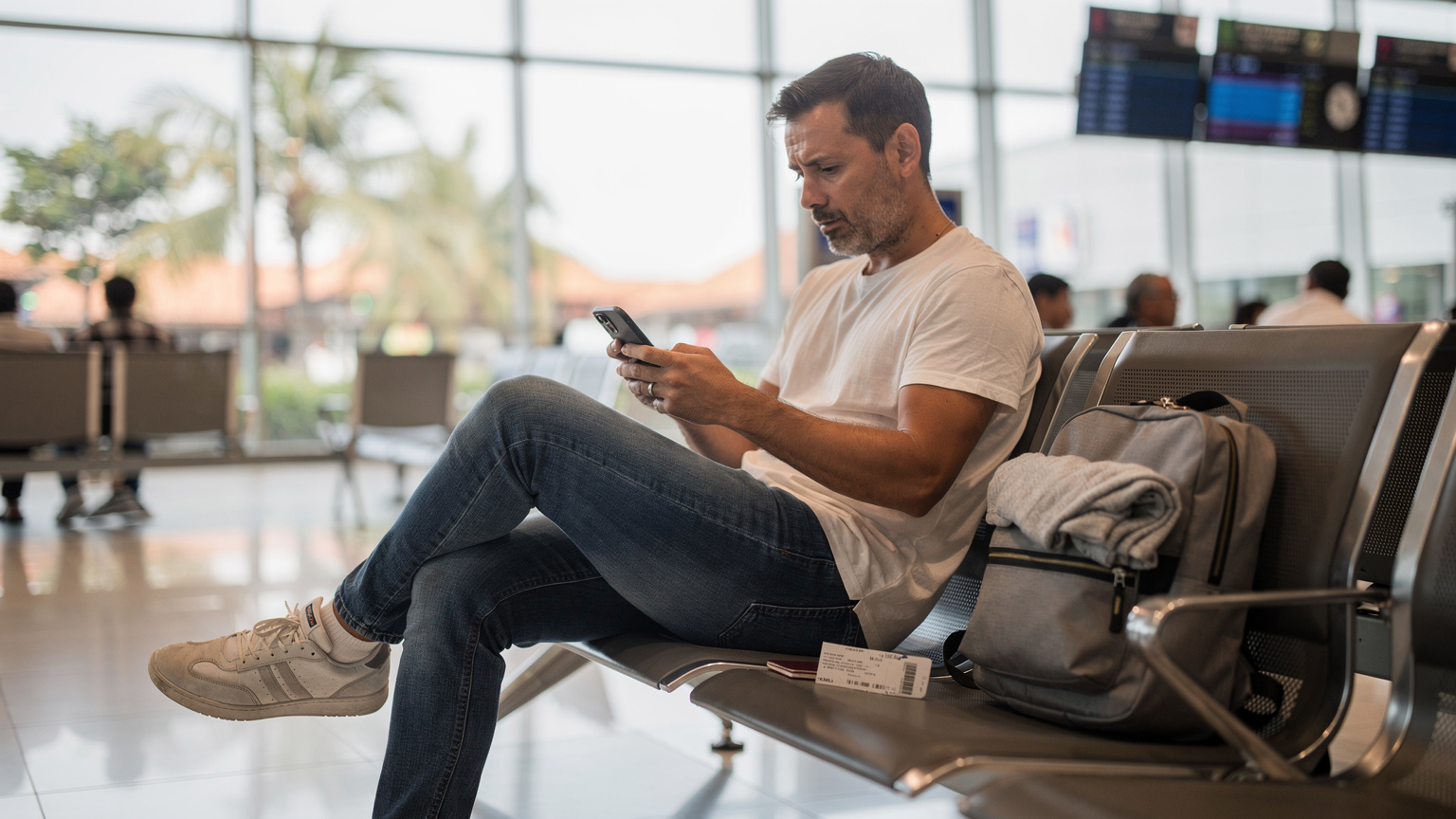
eSIMs, particularly regional or global plans, are designed for exactly this scenario. You can purchase a single eSIM plan that covers multiple countries, allowing you to seamlessly transition between Indonesia, Thailand, Malaysia, Singapore, and beyond, without ever changing your physical SIM or activating new services. This is not just convenient, it's often more cost-effective than buying individual local SIMs in each country.
Imagine flying from Denpasar to Changi Airport in Singapore. As your plane touches down, your phone automatically connects to a local network thanks to your regional eSIM plan. No airport queues, no currency exchange for SIM cards, just instant connectivity. It's the kind of invisible technology that makes travel truly effortless.
Consider a Regional eSIM Plan
For any nomad considering trips to nearby destinations, a regional Southeast Asia eSIM plan is a smart investment. These plans often include data for Indonesia, Thailand, Malaysia, Singapore, Vietnam, Cambodia, and sometimes even a broader range. For example, a plan might offer 20GB of data valid for 30 days across 10 countries in the region. This saves you the headache of managing multiple local plans and ensures you're always connected, whether you're navigating the MRT in Singapore or calling a Grab in Bangkok.
Setting Up Your eSIM: A Step-by-Step Guide
Setting up an eSIM is surprisingly straightforward, and it's a process you can often complete before you even leave home. This means you land in Bali with data already active, ready to book your Grab from the airport or message your villa host in Pererenan.
- Check Device Compatibility: First, ensure your smartphone supports eSIM. Most iPhones (XS/XR and newer), Samsung Galaxy S20 onwards, and Google Pixel 3 onwards do. A quick search for "[Your Phone Model] eSIM compatibility" will confirm it.
- Choose Your Plan: Visit a reputable eSIM provider's website. You'll find a range of plans, from short-term data bundles to longer-term, higher-data options perfect for nomads. Look for plans specifically covering Indonesia or a wider Southeast Asia region if you plan to island hop. You can browse plans for Indonesia eSIM here.
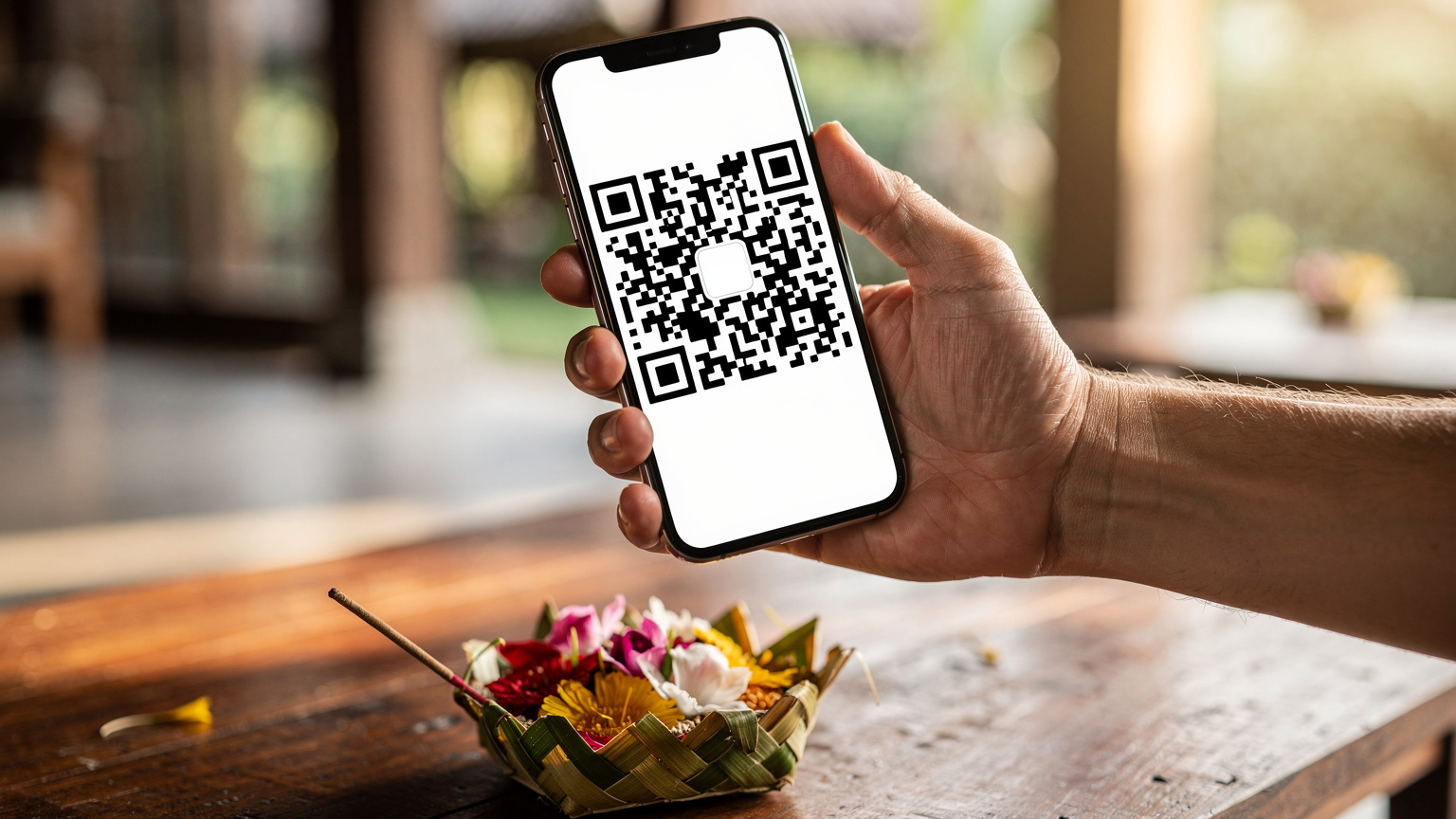
- Purchase and Receive QR Code: Once you've selected your plan, complete the purchase. You'll typically receive an email with a QR code or manual activation details.
- Scan QR Code (or Manual Entry): On your phone, go to Settings > Cellular/Mobile Data > Add eSIM. Choose to use a QR code, scan the one provided, and follow the on-screen prompts. If you're manually entering details, copy and paste the provided SM-DP+ Address and Activation Code.
- Label Your eSIM: Give your new eSIM a clear label, like "Bali Data" or "Indonesia Work." This helps you differentiate it from your primary SIM.
- Set as Primary for Data: In your phone's settings, ensure your new eSIM is selected as the primary line for cellular data. You can keep your home SIM active for calls/texts, just make sure data roaming is off for that line to avoid charges.
- Activate and Connect: Once you land in Bali, your eSIM should automatically connect to a local network. If not, try restarting your phone or checking that data roaming is enabled for the eSIM profile (it's often off by default for new eSIMs).
Best Practices for eSIM Management
- Download Offline Maps: Always download Google Maps or Maps.me for Bali offline. Even with an eSIM, there can be dead spots, and knowing your way around without data is always smart.
- Monitor Data Usage: Keep an eye on your data consumption through your phone's settings or the eSIM provider's app. This helps you avoid running out unexpectedly.
- Top-Up Early: If your plan is running low, top up a day or two before it expires. Don't wait until the last minute, especially if you're in a critical work period.
Local SIM Card Activation: The Process
If you opt for a traditional local SIM, be prepared for a slightly more involved process. While not overly complicated, it requires more physical interaction and can take up valuable time, especially if you're arriving during peak hours.
- Purchase Your SIM Card: At Ngurah Rai Airport, look for official kiosks from Telkomsel, XL Axiata, or Indosat. In towns like Ubud or Canggu, you can find official carrier stores or even smaller phone shops. Be wary of unofficial vendors who might overcharge.
- Present Passport: You'll need your passport for registration. Indonesian regulations require all SIM cards to be registered to a valid ID.
- Provide Fingerprints/Photo: Some vendors might require a fingerprint scan or a photo of you holding your passport for the registration process.
- Choose a Data Package: The attendant will present various data packages. Be clear about your data needs and the duration of your stay. Packages typically last 30 days.
- Installation and Activation: The attendant will usually install the SIM card for you and ensure it's activated. They might need to configure APN settings, though this is less common with modern phones.
- Test Connectivity: Before leaving the store, ensure you have an active data connection. Try browsing a website or sending a message.
Registration Challenges and Solutions
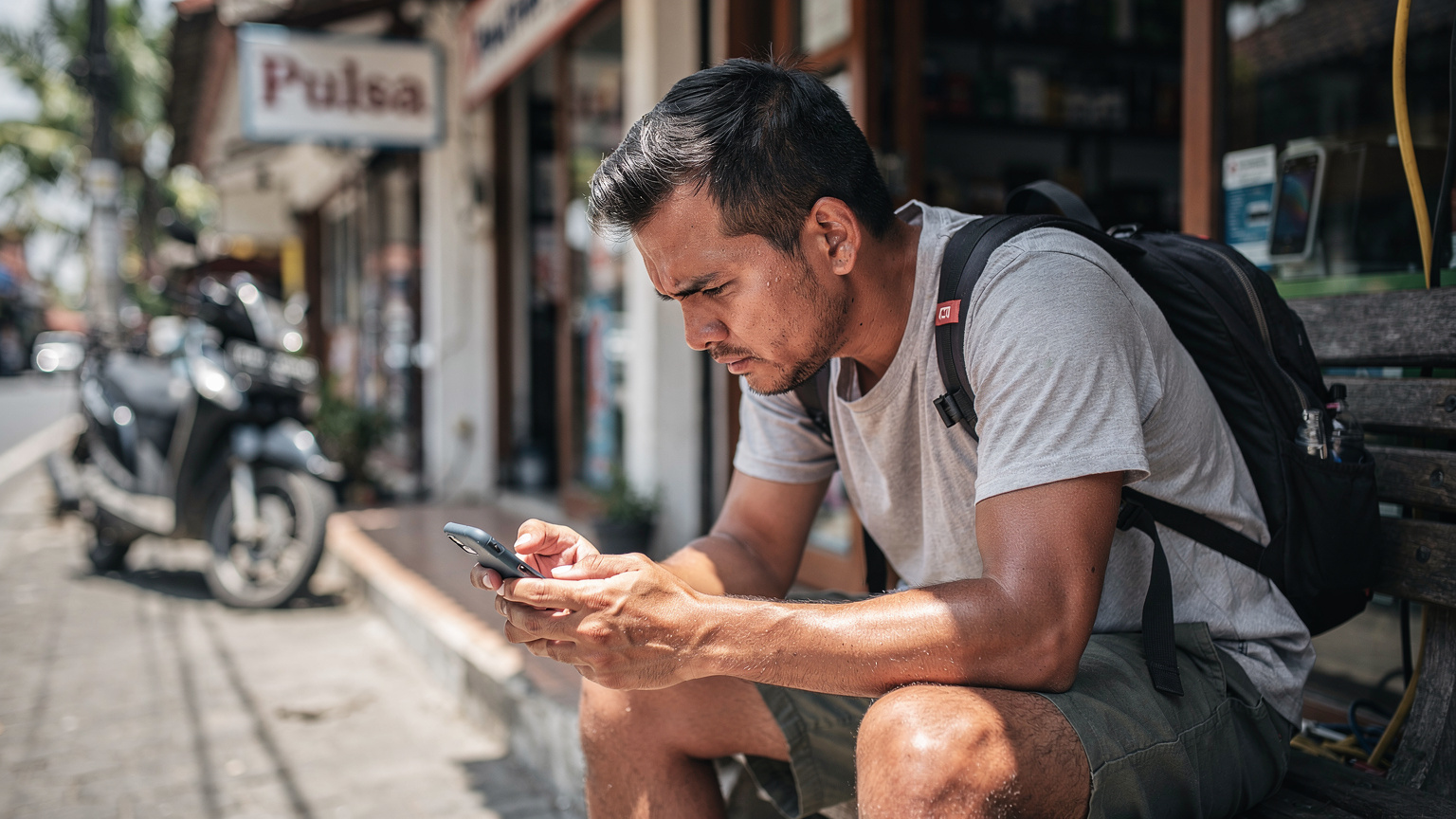
One of the more frustrating aspects of local SIM registration in Indonesia, particularly for longer stays, is the IMEI registration for foreign phones. If you plan to use a local SIM for more than 90 days, your phone's IMEI (International Mobile Equipment Identity) needs to be registered with the Indonesian customs office. Without this, your phone's local network access might be blocked. This is a crucial point for long-term nomads and a common source of unexpected disconnection. It's a bureaucratic hurdle that an eSIM neatly sidesteps, as its registration is handled differently by the provider.
For more detailed questions about connectivity options, you might find answers in our FAQ section.
Troubleshooting Common Connectivity Issues
Even the most seasoned traveler runs into connectivity snags now and then. Here's a quick rundown of common issues and how to tackle them, whether you're using an eSIM or a local SIM in Bali.
For eSIM Users
- No Service After Activation: Try restarting your phone. Sometimes, a fresh reboot helps the device find the new network. Check that your eSIM profile is enabled in your phone's settings and selected for mobile data. Ensure data roaming is turned on for your eSIM, as some plans require it.
- Slow Speeds: If speeds are unexpectedly low, try moving to a different location. Network congestion, especially in very popular areas of Canggu during peak hours, can affect performance. If the issue persists, contact your eSIM provider's support.
- Data Depleted Quickly: Check your phone's data usage settings to see which apps are consuming the most data. Background app refresh can be a culprit. Consider a higher data plan for your next top-up.
For Local SIM Users
- No Service/Cannot Make Calls: Double-check that the SIM is inserted correctly. Ensure your phone is not locked to a specific carrier (it should be unlocked for international use). If purchased at an airport kiosk, return there for assistance. If bought at a small shop, find an official carrier store.
- Internet Not Working, Calls Are: The APN (Access Point Name) settings might be incorrect. The store attendant should set this up, but sometimes it needs manual adjustment. You can usually find the correct APN settings on the carrier's website (e.g., Telkomsel APN settings).
- Expired Data Package: Local SIM packages often have strict expiry dates. If you've been in Bali for over a month, your initial package might have run out. You'll need to top up at a minimart or an official store.
- IMEI Blocking (for long stays): If your phone suddenly loses network access after an extended period (usually 90 days), it's likely due to the unregistered IMEI issue. You'll need to register your phone with the Indonesian customs office, which can be a lengthy process. This is a common reason why nomads sometimes switch to an eSIM after their initial local SIM plan expires, as eSIMs are less prone to this specific local regulation.
Remember, connectivity issues are almost always fixable. Patience and a quick check of your settings usually resolve most problems. If all else fails, most hotels and cafes in Bali offer decent Wi-Fi, providing a temporary lifeline until you can sort out your mobile data.
Final Thoughts: Making Your Choice
The digital nomad life in Bali is about striking a balance between productivity and paradise. Your connectivity choice plays a massive role in that equation. In 2026, the scales are increasingly tipping towards eSIMs, particularly for those who value flexibility, convenience, and the ability to travel across borders without interruption.
For a short, single-destination trip to Bali, especially if you're on a tight budget and don't mind the airport queue, a local SIM from Telkomsel or XL Axiata might still offer a slight edge in raw data cost. But for the true digital nomad, the one who might spend a month in Canggu, then fly to Singapore for a few days, and then perhaps explore the remote corners of Flores or Sumba, the eSIM is the clear winner.
The ease of activation, the ability to keep your home number active, and the seamless transition between countries makes it an indispensable tool for anyone whose office is wherever their laptop is. I've often seen the frustration of fellow travelers trying to sort out local SIMs at airports, especially after long flights, and it's a hassle an eSIM completely removes. It frees you up to focus on what really matters: soaking in the culture, tackling your work, and enjoying every moment of your Balinese adventure. Whether you're planning for the Tokyo Olympics or just a serene week in Ubud, an eSIM keeps you connected, simply and efficiently.
Frequently Asked Questions
What is the main difference between an eSIM and a local SIM for Bali digital nomads?
An eSIM is a digital SIM profile embedded in your phone, allowing for instant activation and switching between multiple plans without a physical card. A local SIM is a physical card requiring purchase and registration in Bali, and you'd need a new one for each country you visit.
Is an eSIM cheaper than a local SIM for a long-term stay in Bali?
While local SIMs can sometimes offer slightly lower per-GB rates, eSIMs often provide better overall value when considering convenience, instant activation, and the ability to seamlessly use data across multiple countries, avoiding roaming charges or repeated purchases.
Can I keep my home phone number active while using an eSIM in Bali?
Yes, one of the significant advantages of an eSIM is that you can keep your primary physical SIM card active for calls and texts from your home country, while using the eSIM for local data in Bali. Just ensure data roaming is off for your home SIM.
What are the best local SIM card providers in Bali for coverage and speed?
Telkomsel generally offers the widest and most reliable coverage across Bali and Indonesia, including more remote areas. XL Axiata and Indosat Ooredoo Hutchison also provide good speeds and coverage in major tourist hubs like Canggu, Ubud, and Seminyak.
Do I need to register my phone's IMEI if I use a local SIM for a long time?
Yes, if you plan to use a local Indonesian SIM card for more than 90 days, you are required to register your phone's IMEI with Indonesian customs. Failure to do so can result in your phone's network access being blocked. eSIMs typically bypass this specific regulation.
Can an eSIM be used for travel to other countries near Bali?
Absolutely. Many eSIM providers offer regional plans covering multiple countries in Southeast Asia, such as Thailand, Malaysia, Singapore, and Vietnam. This is a major benefit for digital nomads who frequently travel between destinations, providing seamless connectivity without needing new SIM cards.

